Why Restaurants Should Use Voice AI with OpenTable
Voice AI connected to OpenTable helps restaurants capture more bookings, reduce phone bottlenecks during service, and protect guest experience when teams are stretched.
The Phone Operations Gap Is Still Costly

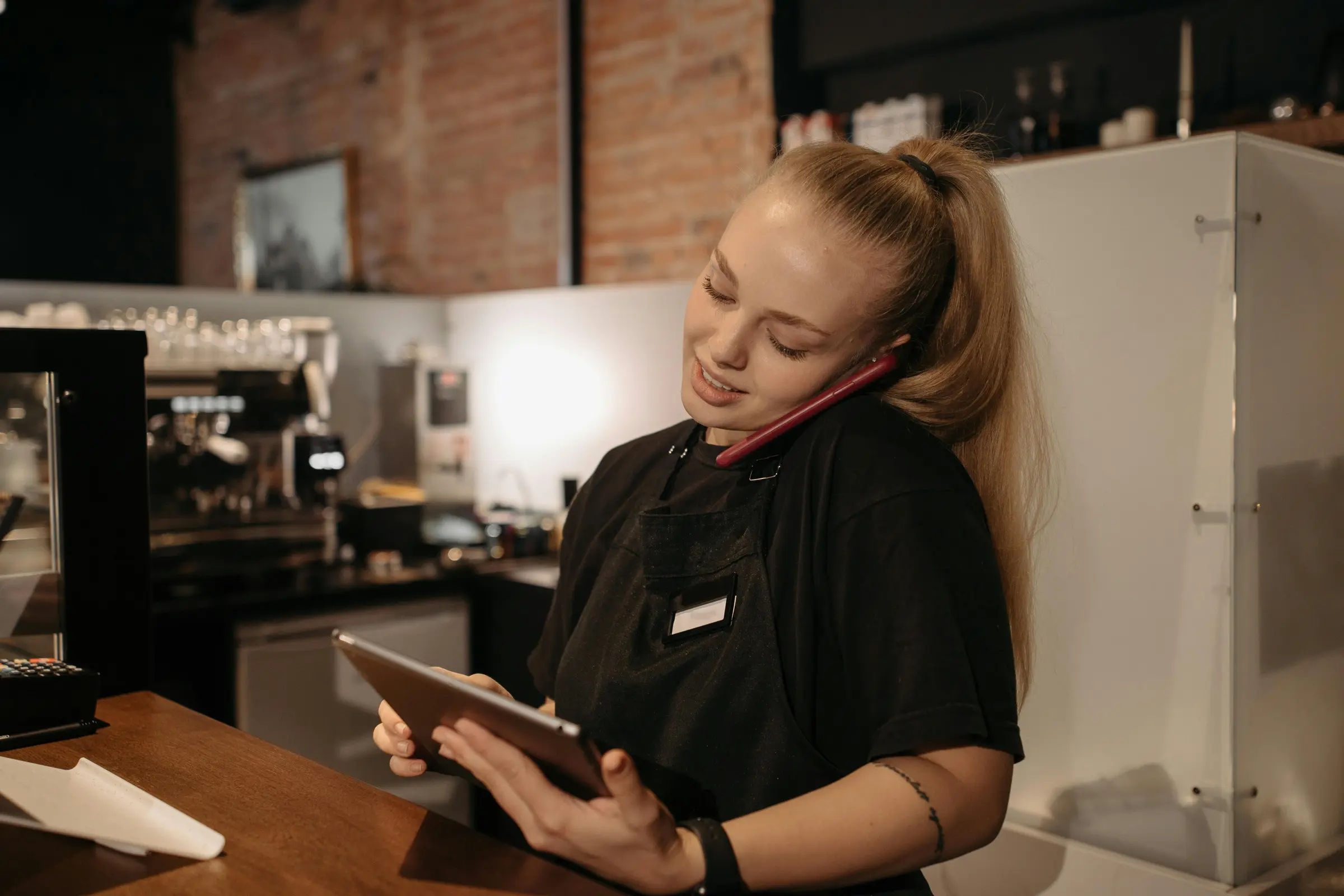
Most restaurants already optimize labor, table turns, and kitchen throughput, but phone handling is still often treated as overflow work rather than a core revenue channel. During peak windows, calls compete directly with in-person seating, expo coordination, check drops, and host-stand traffic, which creates a predictable gap between guest demand and real-time response capacity. That gap is where many reservation opportunities are quietly lost, especially when callers need quick availability confirmation before deciding where to dine. Industry reporting and operator feedback both point to the same pattern: when teams cannot consistently answer calls, reservation conversion and guest confidence usually drop together. A missed call is not just a service inconvenience; it is often a high-intent booking request that moves to another restaurant within minutes. In dense local markets, the speed and reliability of phone response can be as important to revenue performance as table mix, menu engineering, or ad spend. PhoneHost is designed to close this specific operational gap without forcing teams to choose between dining-room service and phone coverage. Restaurants can run PhoneHost in full coverage mode, where it answers every call with optional live transfer to staff when needed, or in missed-call mode, where it replaces voicemail and recovers demand that would otherwise be lost. That flexibility lets operators match phone coverage to staffing reality while keeping guest response quality consistent. When front-of-house teams are saturated, even short call delays can turn into missed reservations.
Why OpenTable Connectivity Changes the Outcome
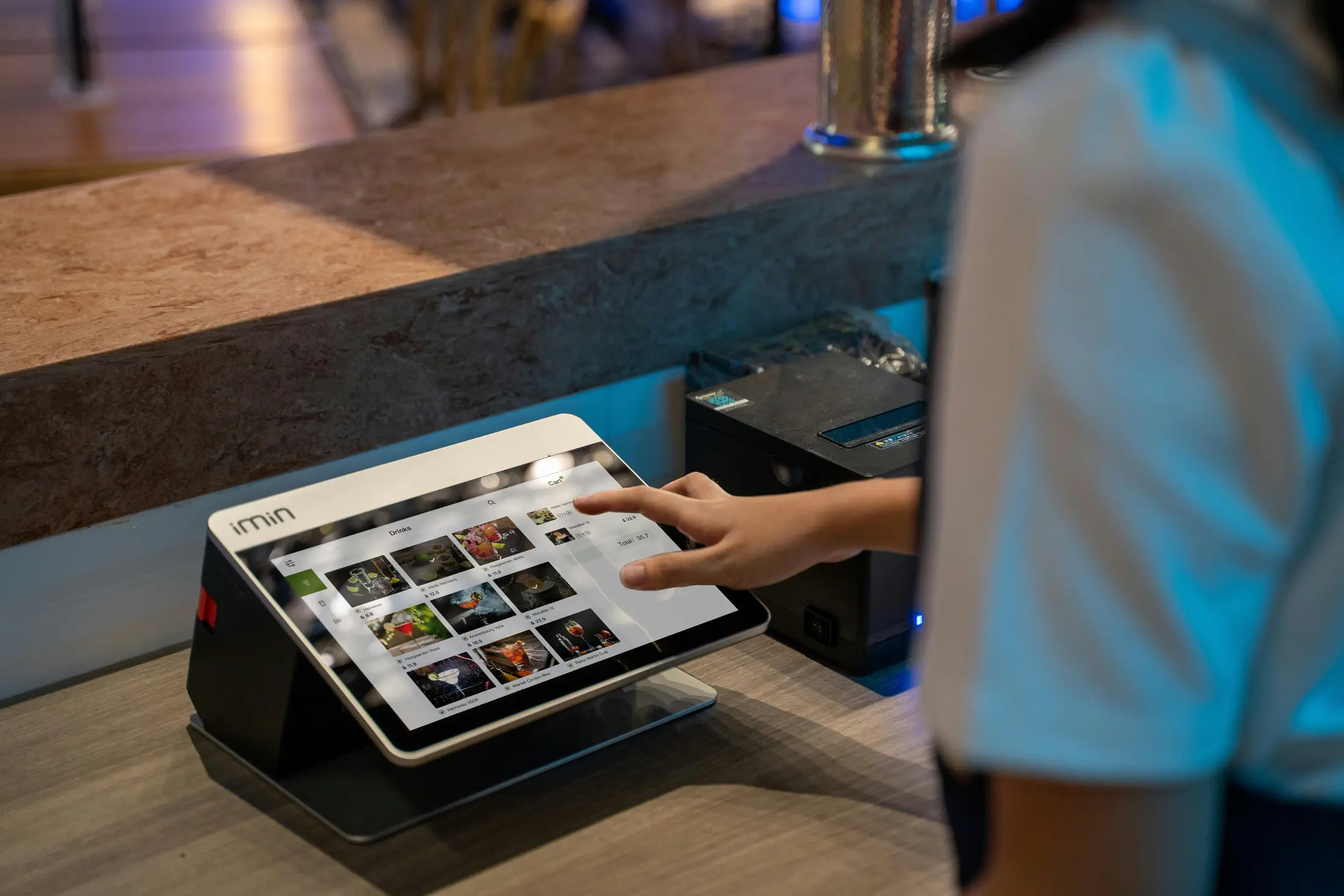
Generic phone bots can collect messages, but reservation operations need live system awareness to be operationally useful. The value comes from a call flow that can read and act on current booking data rather than sending guests into callback queues. With PhoneHost connected to OpenTable, callers can get accurate availability responses in the moment, which removes a major source of booking friction and reduces the chance that high-intent callers abandon the process. In practical terms, PhoneHost can create reservations, modify existing bookings, and process cancellations using the same inventory logic your team already trusts in OpenTable. It can also handle card-required flows by sending secure SMS payment links when OpenTable requires a guarantee, and complete bookings directly on call when a card is not required. That keeps the guest journey clear and consistent while reducing manual follow-up work for staff during and after service. PhoneHost also helps standardize routine guest questions that otherwise interrupt host operations throughout the shift. It can answer common FAQs about hours, location, and policies, and transfer calls to human staff when context requires a person, such as private dining requests or exception handling. The combined effect is fewer voicemail loops, fewer stale-information errors, and cleaner reservation execution from first call to confirmed booking. Connected call handling keeps reservation updates aligned with live OpenTable data.
How PhoneHost Works Day to Day for Restaurant Teams
For restaurant owners and managers, effective deployment is less about managing AI workflows and more about setting clear operating rules once, then letting the system run consistently. In PhoneHost, teams define core business details such as hours, policies, and reservation preferences, then configure when calls should transfer to staff for edge cases. This gives operators control over guest experience standards without requiring daily intervention from the floor. Once live, the operational benefit usually shows up as fewer phone interruptions at the host stand and more consistent reservation handling across busy and quiet periods. Staff spend less time on repetitive call triage and more time on in-room hospitality, while guests get faster, clearer responses before they arrive. Over time, that consistency tends to improve booking confidence, reduce preventable drop-off, and strengthen how the restaurant is perceived at the first point of contact. The long-term value is not just speed; it is reliability at scale. When phone coverage, reservation actions, and guest communication are handled in a repeatable way, operators can run service with fewer surprises and less cleanup at shift transitions. That steadier operational baseline helps restaurants protect revenue during peak demand and maintain a better guest experience even when staffing pressure is high. Reliable phone coverage reduces service interruptions and lets teams focus on guest-facing work.

Ready to Improve Reservation Capture on Every Shift
If your team misses booking intent during peak service, PhoneHost can close that gap with consistent call coverage, real-time OpenTable actions, and clear transfer paths to staff when context needs a person.