
How Many Reservations Are You Losing to Missed Calls?
Missed calls are often missed reservation intent. This guide gives restaurant owners a practical way to quantify revenue leakage, build a conservative loss model, and close the gap with PhoneHost and OpenTable.
Start With a Real Baseline, Not a Guess
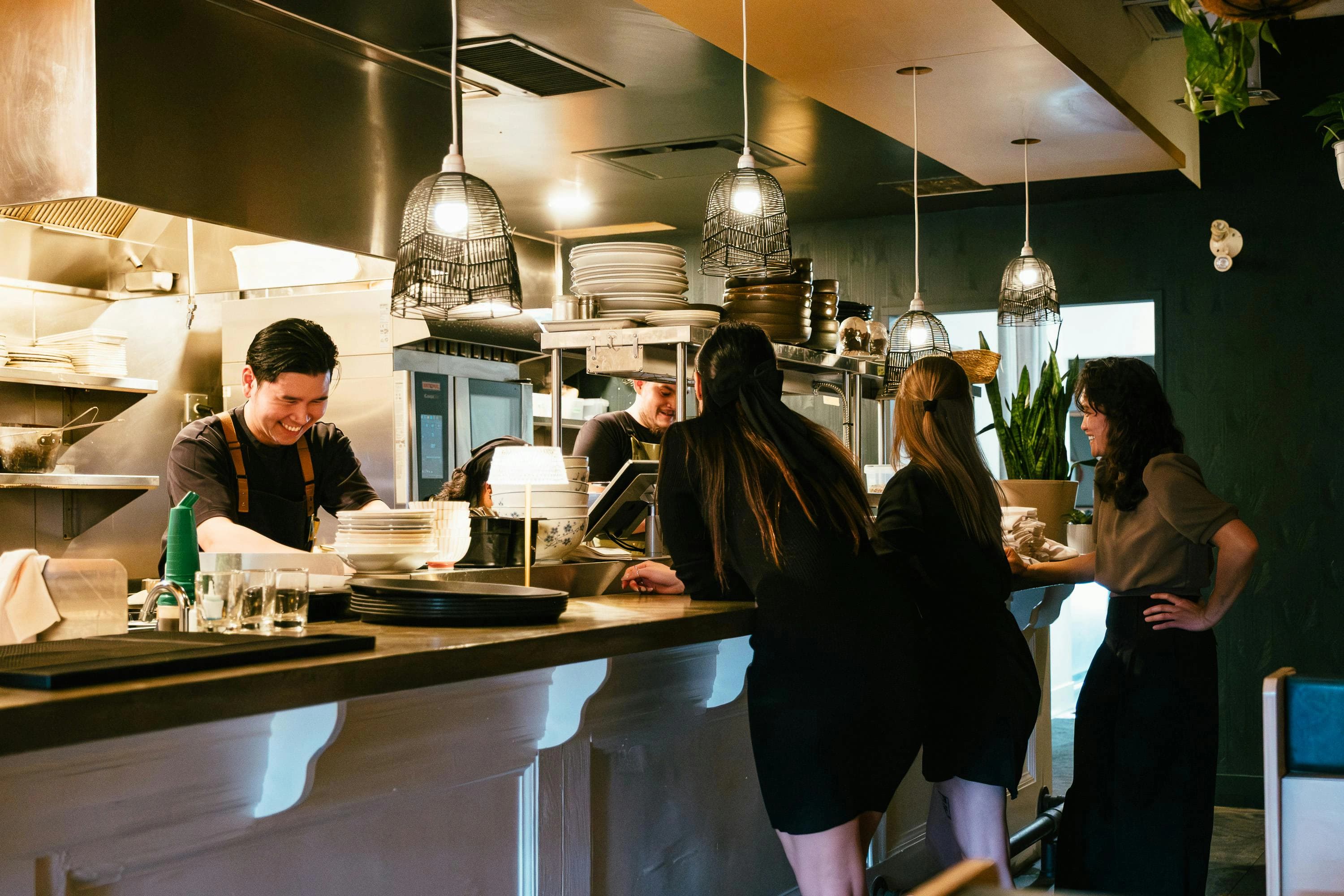
Most operators can immediately feel that unanswered calls hurt bookings, but the impact often stays abstract because information is split across systems and moments in the shift. The phone system shows total calls and missed calls, OpenTable shows final reservation outcomes, and managers remember the busiest service windows, yet those signals are rarely tied together in one baseline. Without that baseline, teams usually underestimate how much high-intent demand is lost before a guest ever enters the booking funnel. Start by pulling four weeks of call totals by daypart, then isolate the windows where missed-call volume is highest, such as pre-service setup, first seating wave, and shift change. Next, map those windows against OpenTable reservation creation times and party-size patterns so you can see when guest intent and operational overload overlap. The objective is not to chase perfect attribution on day one; it is to create a stable, repeatable picture of where response capacity is routinely below demand. OpenTable now reports that operators still struggle with call coverage, and the pressure compounds when labor margins are tight and teams are asked to do more with fewer interruptions. For owners, this is the key framing: missed calls are not just a service annoyance, they are a demand-capture problem with measurable financial consequences. Once that framing is accepted, the next step is turning raw call volume into a conservative reservation-loss estimate you can act on. Baseline work should start where service pressure is highest and phone demand competes with in-room execution.
Build a Conservative Lost-Reservation Model
A practical model starts with one weekly number: missed calls that occurred during booking-intent windows. From there, apply a reachable-caller rate, then a reservation conversion rate, then multiply by average party size and realized check value. Keeping each assumption conservative is critical because this model should support operating decisions, not optimistic storytelling. If your current no-show and cancellation profile is material, use realized covers and realized revenue as the denominator instead of gross reservations so the estimate reflects actual money retained by the business. You can express the model in one line: `missed calls x reachable caller rate x booking conversion x realized value per reservation`. For example, if a location misses 140 calls in booking windows per week, reaches 35% of those callers later, converts 40% of reached callers, and realizes $155 per seated reservation, that implies roughly $3,038 in weekly recoverable revenue. Even if you haircut that estimate further for uncertainty, the number is usually large enough to justify structured action instead of ad hoc callback habits. The model should also separate card-required and non-card-required reservation flows because realized value is different when no-show protection is enforced. OpenTable data on no-shows and late cancellations reinforces this point: policy design and payment handling materially change revenue outcomes, not just booking counts. That is why a good leakage model always includes realized value, not only gross reservations created. Loss modeling is stronger when missed-call estimates are reconciled with reservation-system outcomes.
Close the Gap With PhoneHost and OpenTable

Once the baseline and model are in place, the highest-leverage move is consistent call coverage. In PhoneHost, operators can run full coverage mode so every call is answered with transfer to staff when needed, or run missed-call mode to replace voicemail and recover only overflow demand. Both modes are operationally valid, and the right choice depends on staffing pattern, brand standards, and how much call burden currently pulls hosts away from in-room execution. With OpenTable connectivity, PhoneHost can create, modify, and cancel reservations in live inventory logic instead of collecting messages for later cleanup. That removes a major source of delay and prevents avoidable booking loss during peak windows when callers are deciding quickly. The same setup can support card-required flows through secure SMS payment links when OpenTable requires a guarantee, so reservation capture quality improves alongside reservation volume. For owners, ongoing management should stay simple: review weekly call coverage, reservation outcomes from call-originating demand, and transfer volume that required human intervention. Use those three signals to tune hours, transfer rules, and FAQ coverage in the dashboard without adding operational complexity to the floor. The goal is not to create a new reporting burden; it is to make sure booking intent is captured reliably before service pressure can erase it. When call coverage is stable, teams can keep service execution and guest communication aligned in real time.
Ready to Improve Reservation Capture on Every Shift
If your team misses booking intent during peak service, PhoneHost can close that gap with consistent call coverage, real-time OpenTable actions, and clear transfer paths to staff when context needs a person.